Sep 04 Second Year Meadows
Last year, we explored what to expect from a first-year meadow and why patience is one of the most important ingredients in creating a successful native landscape. While the first growing season is focused on establishing strong roots beneath the surface, the second year is when many meadows begin to reveal the beauty visitors have been waiting for.
When you visit the Deer Lakes Barn Solar Meadow this year, you’ll notice more native wildflowers in bloom, pollinators becoming regular visitors and a landscape beginning to function as the thriving ecosystem it was designed to be. Although the meadow will continue to mature over the coming years, year two is when the vision truly starts to come into focus.
See the Meadow!
What Happens Year Two
If you visited the meadow this year, you may have noticed just how much it has changed since last year. Areas that looked sparse during the first growing season are becoming fuller as perennial wildflowers return larger and stronger. Many of the annual plants that provided early color last year are becoming less common as longer-lived native species begin to take their place.
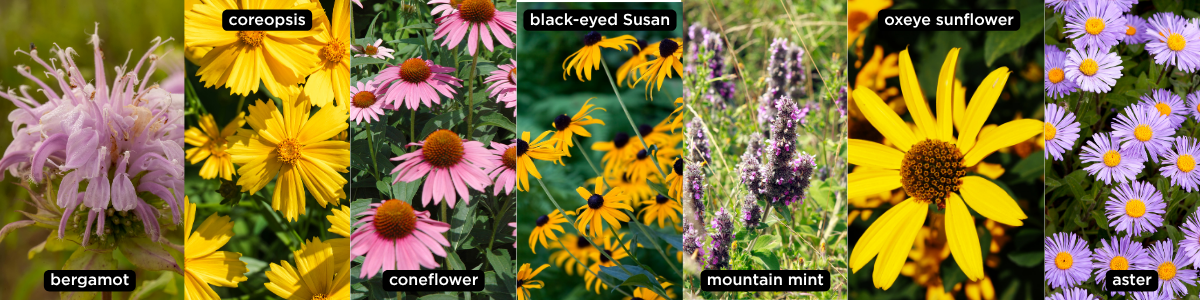
When the video above was taken in early August, flowering plants included coreopsis, coneflower, mountain mint, black-eyed Susan, bergamot, oxeye sunflower and aster. You will also see a variety of native grasses and sedges that help balance the ecosystem. Can you identify any of these in the video?
As the native flowers become more abundant, so do the wildlife they attract. Native bees, butterflies and other beneficial insects take advantage of the diverse food sources the meadow provides, while a variety of birds search among the plants for food, shelter and places to nest. In the video, the meadow is alive with the sounds of buzzing bees, chirping crickets and birds moving among the flowers. These indicators are a sign that this newly forming habitat is already supporting a wide range of wildlife.
Progress Over Perfection
Native meadows are dynamic ecosystems that continue to change throughout the seasons and from year to year. You may still notice bare areas or areas that seem less colorful than others, and that’s completely normal during establishment.
One of the most important factors in helping a second year meadow succeed is ongoing maintenance. Selective removal of invasive or aggressive species, such as creeping thistle and mugwort, helps give the native plants we intentionally planted room to thrive. During our August visit, we noticed some thistle beginning to establish and will plan to remove it before it has a chance to spread and compete with the meadow’s other species.
This type of ongoing stewardship, including selective weeding, monitoring and evaluating the meadow’s progress, is an important part of creating a healthy, resilient landscape. A meadow isn’t simply planted and left to grow; it is managed over time to support the plants and wildlife it was designed to benefit. Success isn’t measured by having every square foot covered in flowers like a traditional garden bed. Instead, it’s measured by creating resilient habitat that supports wildlife, improves soil health, manages stormwater and provides a diverse native landscape.
Continued Changes
We invite you to visit the Deer Lakes Barn Solar Meadow and experience its second year for yourself. See how many of the native flowers and pollinators you can spot along the way. To visit, you must walk along the White Trail and you can access the meadow from there. There is no visitor parking at the site of the meadow, it is an access road only.
We are lucky to continue watching the other meadows we’ve planted across the county continue to grow, each telling its own story. If you’d like to see what a first-year meadow looks like, visit the Upper Allée Meadow at Round Hill Park, which was planted last fall.
These landscapes remind us that working with nature takes time, but the rewards are well worth the wait. We hope you’ll visit this season and join us next year as we explore what a third-year meadow has to offer.